by Tamiko Teshima, M.A., CCC-SLP
Speech-Language Pathologist & Practice Owner
Duncan Lake Therapy Collective, LLC
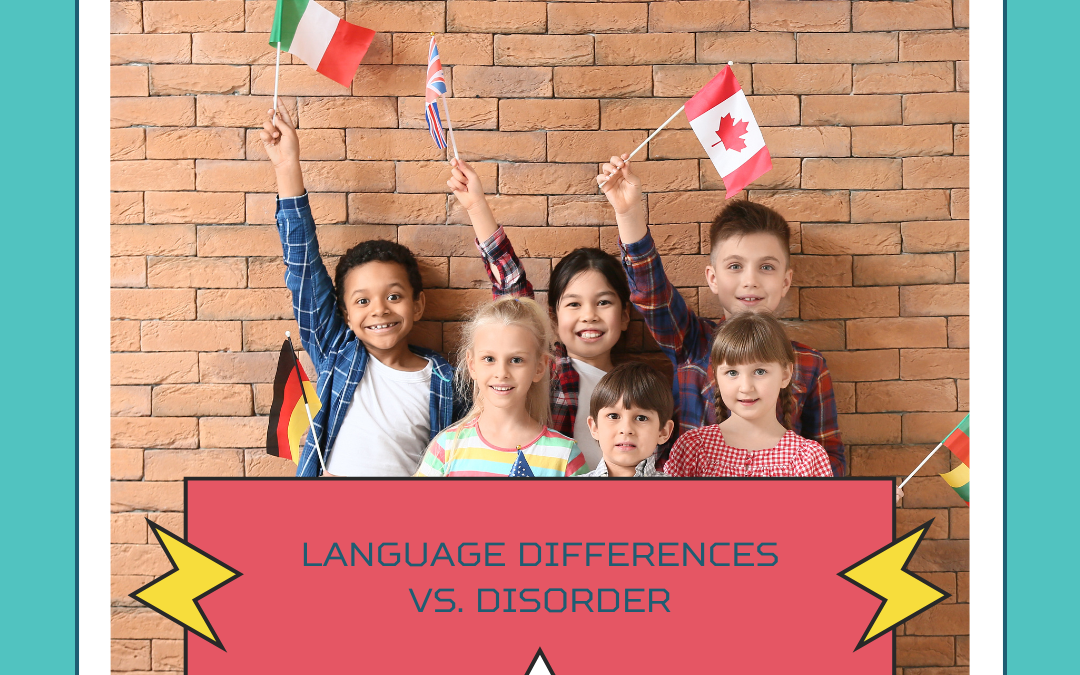
At Duncan Lake Therapy Collective, we talk a lot about celebrating communication in all its forms because language isn’t one-size-fits-all. Every person brings their own sounds, patterns, and rhythms to speech. And that’s a good thing.
One topic we see confusion around (even among professionals) is the difference between a language difference and a language disorder. Understanding that distinction is crucial to making sure children and adults get the right kind of support.

What Is a Language Difference?
A language difference happens when someone’s speech and language reflect the patterns or rules of another language, dialect, or cultural background. That might look like:
- Pronouncing English words with sounds from another language
- Using grammar or sentence structures that reflect another linguistic system
- Switching between languages or dialects depending on who they’re speaking to
To be clear, having an accent and speaking a second language are not disorders. These are rule governed!
When bilingual or multilingual individuals are evaluated, speech-language pathologists (SLPs) consider all the languages they use and how they function within their cultural and linguistic community. A person who communicates effectively in their home language and cultural context does not have a disorder.
What Is a Language Disorder?
A language disorder, on the other hand, means there are consistent difficulties understanding, using, or processing language. These difficulties appear across all languages a person speaks.
That might include:
- Trouble understanding what others say
- Difficulty putting words together into sentences
- Challenges with grammar, vocabulary, or storytelling in every language they use
Again, a true language disorder isn’t about accent or exposure . It’s about how the brain processes and organizes language information.
Why This Matters
Misidentifying a language difference as a disorder can lead to unnecessary intervention, misplaced concern, and even harm. It can also perpetuate bias against multilingual individuals and speakers of non-dominant dialects (like African American English), prioritizing white-English-speaking vernacular and language. Recognizing the difference helps ensure evaluations are accurate, culturally responsive, and affirming. It also allows therapy to focus on what truly supports communication, not on erasing the natural markers of identity or heritage.
We believe that language is a reflection of culture, connection, and identity. Our evaluations take into account each client’s linguistic background, and our therapy supports growth while honoring every voice , accent and all.
Recent Comments