
by Natalie Mobley, OTR/L
Occupational Therapist
Duncan Lake Therapy Collective
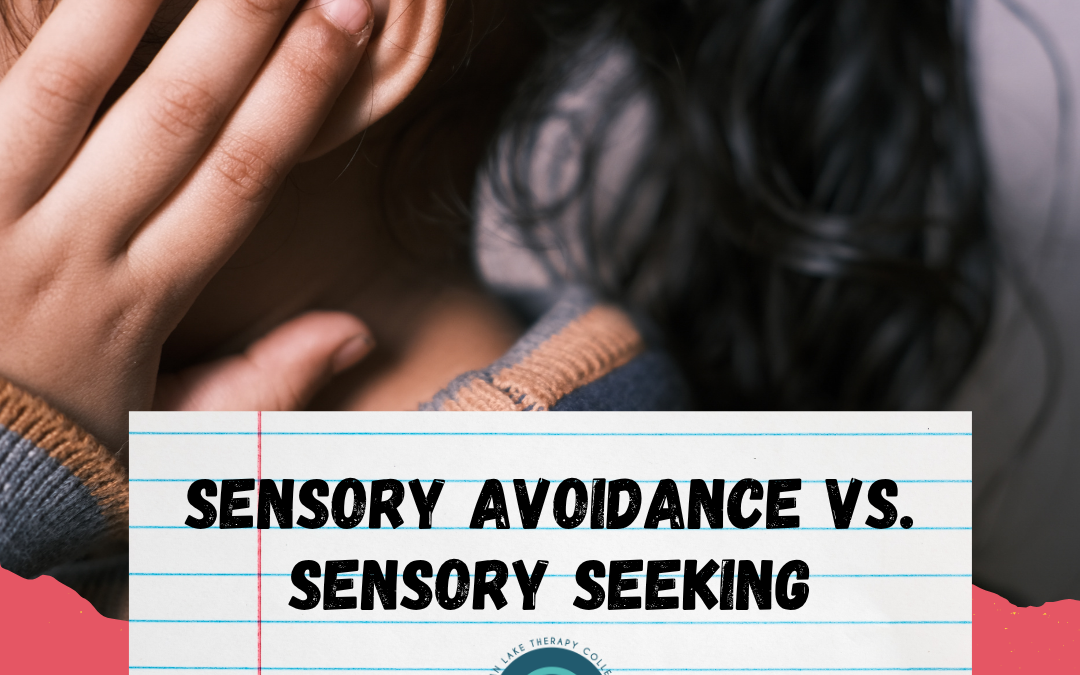
Have you ever noticed that one person seems to crave movement, loud music, or tight hugs, while another covers their ears, avoids bright lights, or doesn’t like certain clothing? These are both examples of how our brains process sensory information.
Everyone experiences the world through their senses, including touch, sound, sight, smell, taste, movement, and body awareness. Our brains all process that information a little differently, and there isn’t one “right” way to experience the world.
What is sensory seeking?
People who are sensory seeking often look for more sensory input because it helps their brain feel organized, focused, or calm. This can be anything from jumping/climbing/spinning, to using weighted blankets, to listening to music loudly. Sensory seeking isn’t “bad” behavior. It’s often a person’s way of meeting a sensory need.

What is sensory avoidance?
People who are sensory avoidant may become overwhelmed by certain types of sensory input. Their brains notice those sensations more intensely, making everyday experiences feel uncomfortable or even painful. Some examples can include covering ears during loud noises, to avoiding certain textures of clothing, to not wanting The Big Light on. Avoiding sensory input isn’t being dramatic or difficult. It’s often a way to help the nervous system feel safe and regulated.
Can someone be both?
Absolutely! In fact, many people are.
Someone might love spinning and movement but dislike loud sounds. They might seek deep pressure but avoid sticky textures. They may enjoy hugs from trusted people but become overwhelmed in crowded places. Sensory processing isn’t all or nothing. Every person has their own unique sensory profile.
How can you support someone?
Instead of trying to stop sensory behaviors, try getting curious about what they’re communicating. Some helpful things to ask yourself can be:
- What sensory need might they be trying to meet?
- Is something in the environment overwhelming?
- How can I make this space feel more comfortable?
No two people experience the world in exactly the same way. What feels calming to one person may feel overwhelming to another, and that’s okay. Understanding sensory differences can help us create environments where more people feel comfortable, supported, and able to participate in everyday life. Whether you’re a parent, teacher, friend, coworker, or simply someone who wants to learn more, a little curiosity can go a long way.
Instead of asking, “How can I make this person tolerate more?” consider asking, “What can I change to make this environment work better for them?”
Recent Comments