Tamiko Teshima, M.A., CCC-SLP
Practice Owner and Speech-Language Pathologist
Duncan Lake Therapy Collective
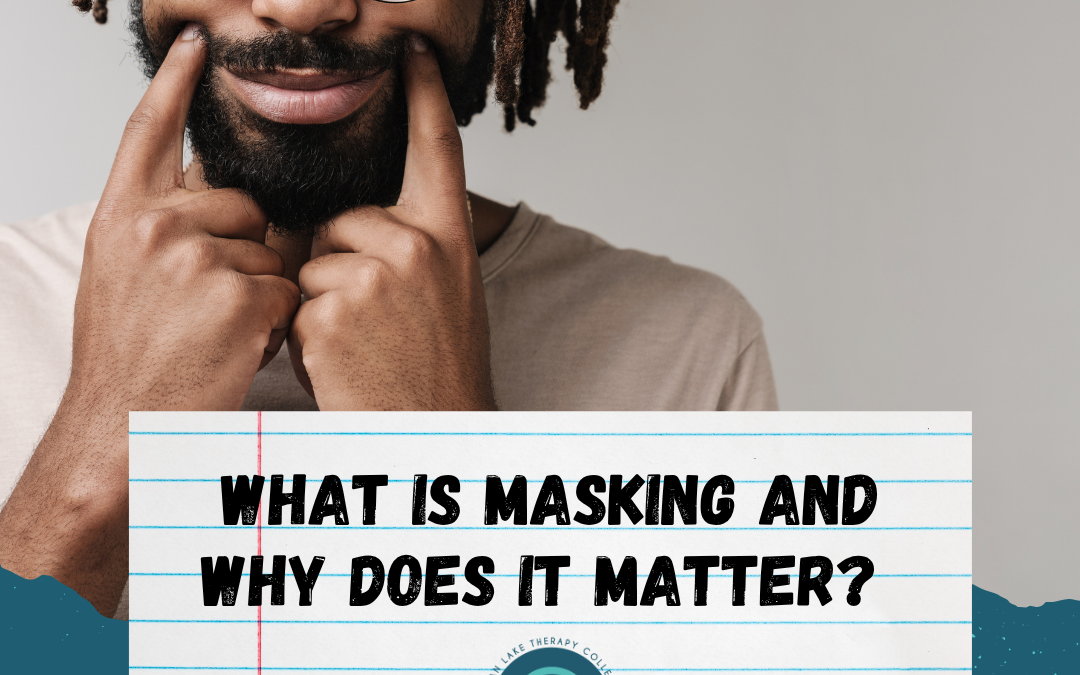
Have you ever heard someone say, “They seem fine at school,” or “I never would have guessed they were Autistic?” Sometimes that’s because the person is masking.
Masking is when a neurodivergent person changes or hides parts of themselves to fit in with the people around them. This might happen intentionally, or it may become so automatic that they don’t even realize they’re doing it. Masking isn’t just for neurodivergent people, though. Neurotypical people may need to mask in certain situations for the same reasons as neurodivergent people.
Masking can look different from person to person. It may include forcing eye contact, copying other people’s facial expressions or social behaviors, hiding stimming, pushing through sensory discomfort, or rehearsing conversations before speaking. While every person’s experience is unique, masking is commonly described by neurodivergent people.
Why do people mask?
Most people don’t mask because they want to, but because they’ve learned that being different can sometimes lead to teasing, bullying, criticism, exclusion, or misunderstanding. Over time, masking may feel like the safest option. A child may spend the entire school day working hard to follow classroom expectations, then come home and have a meltdown. A teenager may carefully watch classmates to learn how they’re “supposed” to act. An adult may spend hours preparing for a meeting or social event while appearing calm and confident on the outside.
For many people, masking becomes a way to avoid standing out, even though it requires a great deal of energy.
Why is masking hard to recognize?
One of the challenges with masking is that it often works…at least on the surface. Someone who appears outgoing, successful, or well-organized may still be using an enormous amount of mental energy to manage sensory input, communication, social expectations, or executive functioning challenges. Because these efforts are often invisible, many neurodivergent people are misunderstood or receive a diagnosis later in life. This is especially common among people assigned female at birth and folks from marginalized groups whose differences may not match outdated stereotypes.
Howeer, looking “fine” on the outside doesn’t always reflect how someone feels on the inside.
What are the effects of masking?
Masking can help someone get through situations where they don’t feel safe or accepted, but it often comes at a huge cost.
Many neurodivergent people describe feeling mentally and physically exhausted after masking throughout the day. Others experience increased anxiety, chronic stress, feelings of disconnection from themselves, or neurodivergent burnout. Constantly monitoring how you speak, move, and interact with others requires a tremendous amount of effort, even if no one else notices. Over time, this can affect a person’s well-being and make it harder to recognize and communicate their own needs.
How can we help?
Supporting neurodivergent people doesn’t mean encouraging them to stop masking altogether. There are times when masking may feel necessary for safety or to navigate environments that are not yet accepting. Instead, we can work toward creating spaces where masking isn’t always needed. This starts with respecting differences in communication, sensory needs, and regulation strategies , and responding with curiosity instead of judgment. When people feel accepted for who they are, they often don’t have to spend as much energy pretending to be someone they’re not.
You can’t always see how much effort someone is putting into getting through the day. The child who melts down after school, the coworker who needs quiet after meetings, or the friend who seems to disappear after social events may simply be recovering from the energy it took to mask. The more we understand masking, the better we can create environments where neurodivergent people feel safe and supported.
Recent Comments