
Tamiko Teshima, M.A., CCC-SLP
Practice Owner and Speech-Language Pathologist
Duncan Lake Therapy Collective
I don’t think that there is a parent on Earth that doesn’t want their child to be resilient. We want them to handle disappointment, recover when something goes wrong, try again after making a mistake, navigate conflict, and cope when life doesn’t go according to plan. But sometimes, in our effort to build resilience, we accidentally send a different message that can sound a lot like, “This isn’t a big deal,” or “You’re fine.”
The intention may be to help a child recognize that they can handle something difficult. But minimizing the emotion doesn’t actually teach them how to handle it.
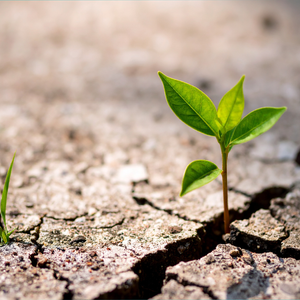
Resilience doesn’t mean having no feelings
A resilient child can still cry when they’re disappointed. They can be angry when something feels unfair. They can feel anxious about something new. They can become overwhelmed, need a break, or ask for help. This is because resilience isn’t about having a smaller emotional response. It’s about what happens during and after that response.
Over time, children can learn that they can feel disappointed and recover or the can be nervous and still try. Those lessons are much more useful than simply learning not to show distress.
Validation doesn’t mean grown ups have to fix everything
There’s another side to this, too. Validating a child’s feelings doesn’t mean we have to eliminate every uncomfortable experience. We can acknowledge that something is genuinely hard without immediately making it go away. They can be frustrated by a difficult task, and sometimes the answer is support, a break, a different approach, or another attempt rather than removing the task entirely. Rather than immediately fixing the situation to stop any discomfort, we can say, “I know. You really wanted that to happen,” without needing to make it happen.
That space between “this isn’t a big deal” and “you should never have to feel uncomfortable” is where a lot of resilience develops.
Support comes before independence
Children build resilience through experience. They need opportunities to face disappointment, frustration, change, mistakes, and other hard moments, with support when they need it.
That support might look like an adult acknowledging that something is hard, staying with them through a difficult moment, helping them problem-solve, offering a break, or encouraging them to try again when they’re ready. Over time, children begin to learn: I’ve been through hard things before. I know what helps me. I can ask for help when I need it. I can recover when things don’t go the way I hoped.Resilience grows from experiencing hard things and discovering, again and again, “I can get through this.”
That is resilience.
Helping your child build resilience
When your child is upset, the goal doesn’t have to be making the feeling go away. Instead, you can help them experience the hard moment while reinforcing that they can get through it. Here are a few things to try:
- Acknowledge the feeling without minimizing it. Instead of “It’s not a big deal,” try, “I can see how disappointed you are,” or “That was really frustrating.”
- Remind them that hard feelings are temporary. You can try, “It feels really hard right now. It won’t always feel this hard,” or “You can be upset. We’ll get through this.”
- Help without immediately fixing. Before jumping in with a solution, try, “Do you want help, or do you want to try it again?” or “What do you think might help right now?”
- Remind them of times they’ve gotten through hard things before. Try, “Remember when you were nervous about starting school? It was really hard at first, and you figured out what helped.”
- Let them take a break without treating the break as giving up. Sometimes resilience looks like recognizing that you need to step away and come back. “We can take a break and try again when you’re ready.” (As a Tami aside, for anyone who watched the Beatles documentary on Disney+, someone should’ve just told them all they could take a break rather than pushing through and then breaking up! Resilience!)
Children build resilience through repeated experiences of facing hard things, getting the support they need, and discovering, “I can get through this.”
Recent Comments